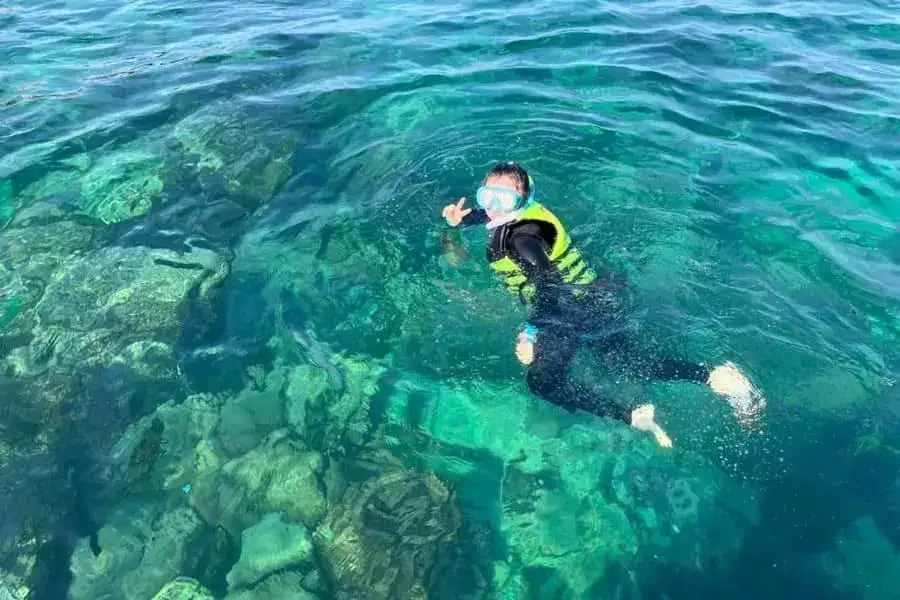
- The main Ang Thong snorkeling stop is Koh Wao, a sheltered bay with hard corals just a few meters below the surface.
- Parrotfish, sea urchins and rays are common on the reefs, and green and hawksbill turtles live in the coral gardens of the park.
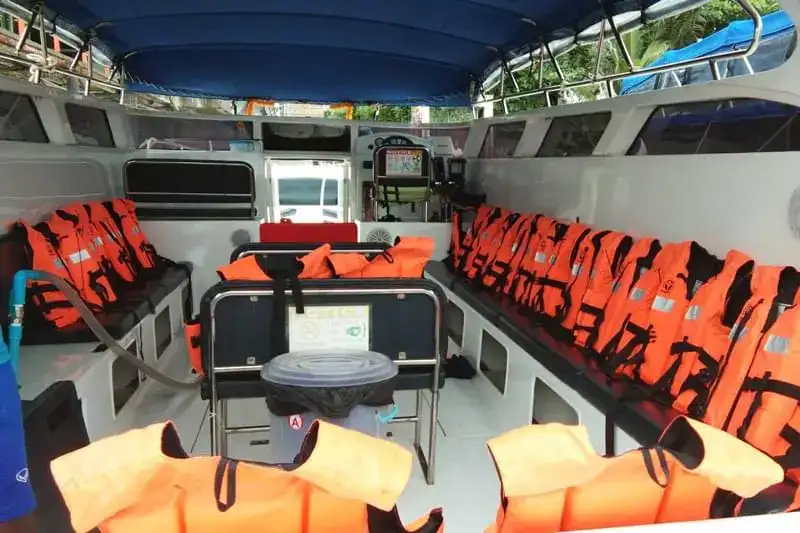
- Snorkeling gear and life jackets are provided on every Ang Thong tour, so you do not need to bring your own.
- The water is clearest from January to September; after rain or strong wind it can be cloudy.
- The park is usually closed from 1 November to 15 December, so no snorkeling trips run in that window.
The speedboat slows down, the engines go quiet and the guide starts handing out masks while the boat drifts in a green bay off Koh Wao. Half the group is already pulling on fins they brought from home, the other half is asking how deep it is. This is the moment that sets your expectations for Ang Thong snorkeling, so let me set them honestly before you get in the water.
Short version: it is shallow, easy, friendly snorkeling on fringing reefs, good for beginners and families. It is not a world-class dive site, and that is fine once you know it.
Is Ang Thong snorkeling worth it?
Yes, as part of the day, not as the reason for the day. The reef is one stop, roughly an hour in the schedule, of a full-day trip that also includes the Emerald Lake, a viewpoint and a beach.
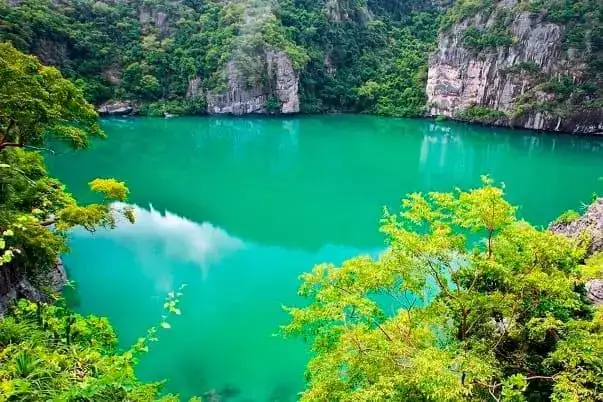
People come to Ang Thong for the limestone islands, the green lake hidden inside Mae Ko and the view over 42 islands from Wua Ta Lap. The reef is the cool, quiet break between the climbs. Treat it that way and you will enjoy it.
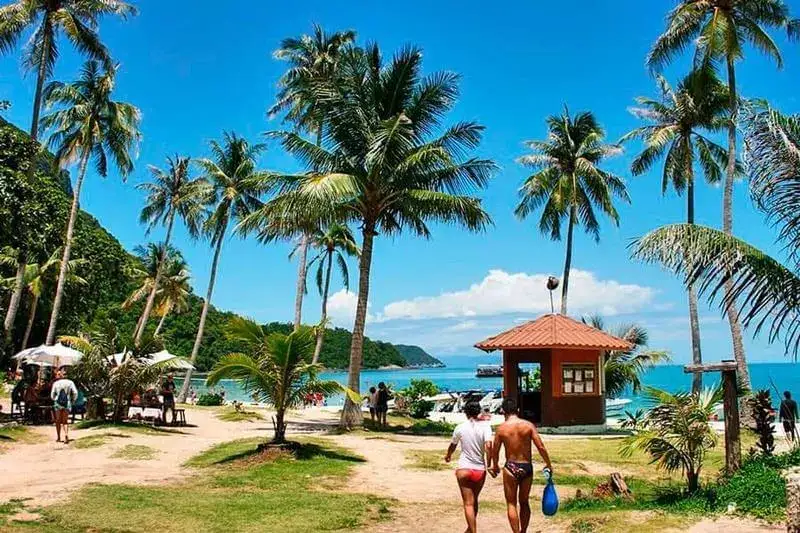
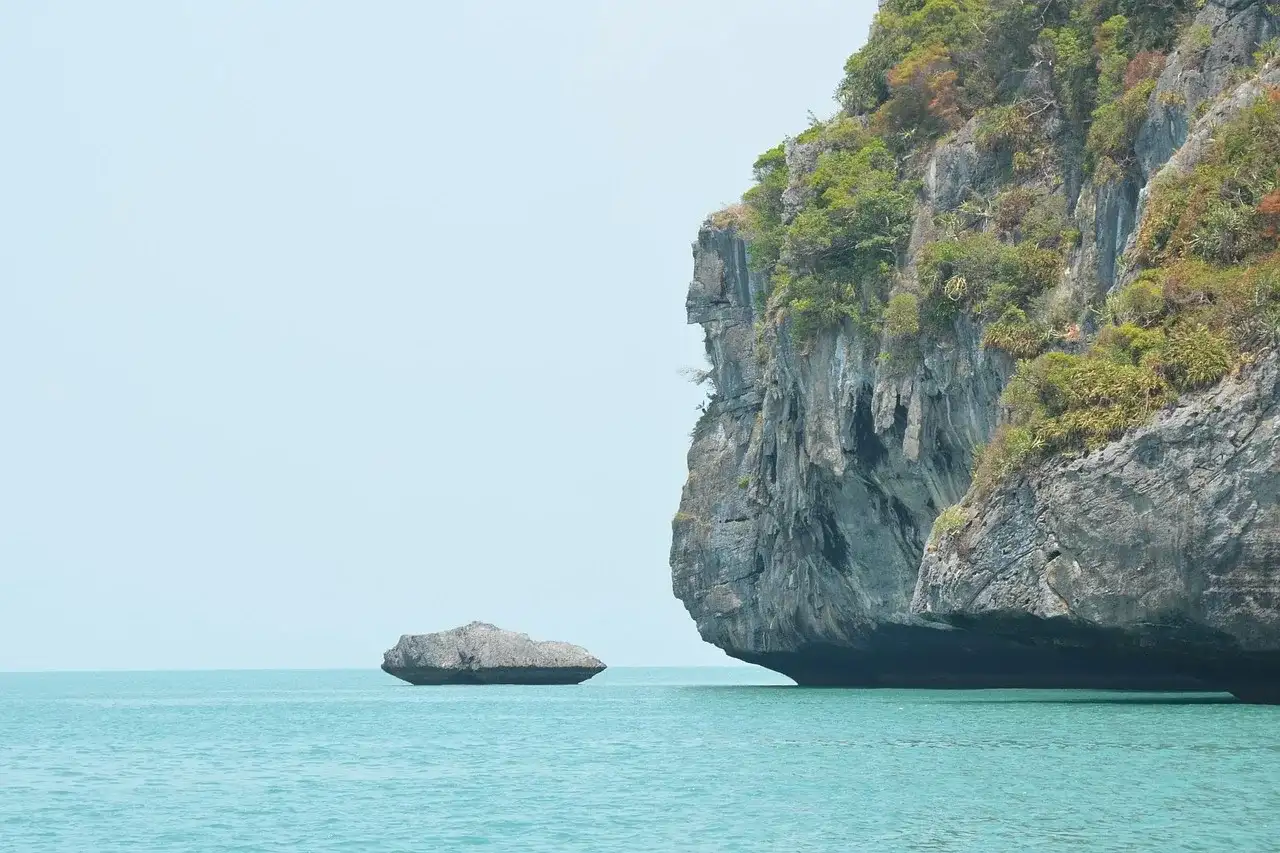
Where I see people disappointed is when they expect the clear blue water of a remote dive island. Ang Thong sits in the shallow Gulf of Thailand, the average water depth in the park is only around 10 meters, and the sea here behaves like a shallow sea: lovely on calm days, milky after a storm.
Where do the tours snorkel in Ang Thong?
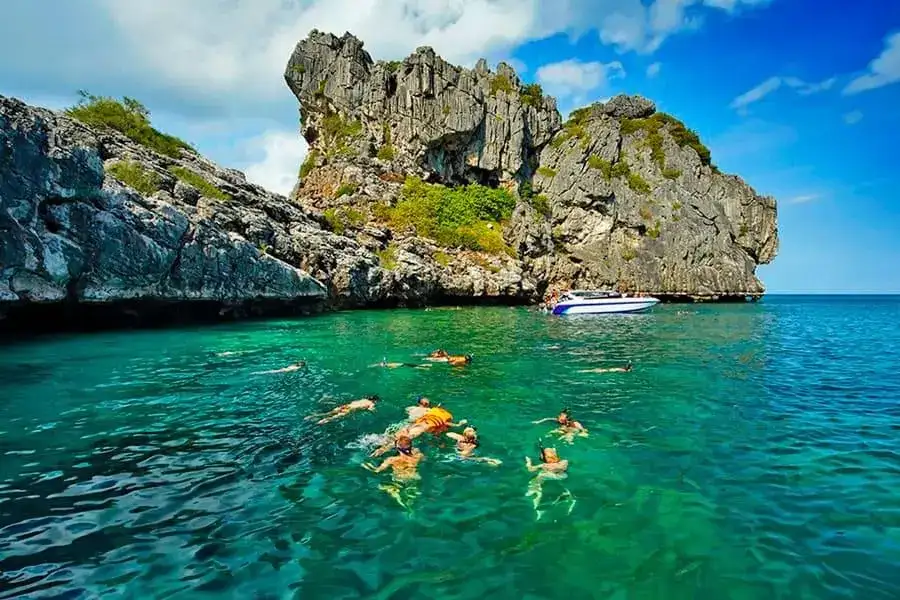
Most snorkeling happens at Koh Wao in the north of the park. The speedboat, VIP speedboat and private tours all snorkel at Koh Wao.
The rocky islands in the north have shallow reefs and small grottoes full of fish, and the sheltered bay at Koh Wao has hard corals only a few meters below the surface. That depth is the key: you can see the bottom clearly from the surface without diving down.
The other tours snorkel elsewhere:
- Big boat tour: snorkeling gear is included and you snorkel off the beach at Wua Ta Lap, the park headquarters, with the mask provided on board.
- Red Baron: the yacht anchors in a sheltered bay after lunch and you snorkel straight from the boat.
- VIP speedboat: Koh Wao for the reef, plus kayaking at Koh Sam Sao, which has a coral reef stretching for about a kilometre along its shore.
- Private charter: Koh Wao is part of the typical route, and you decide how long you stay in the water.
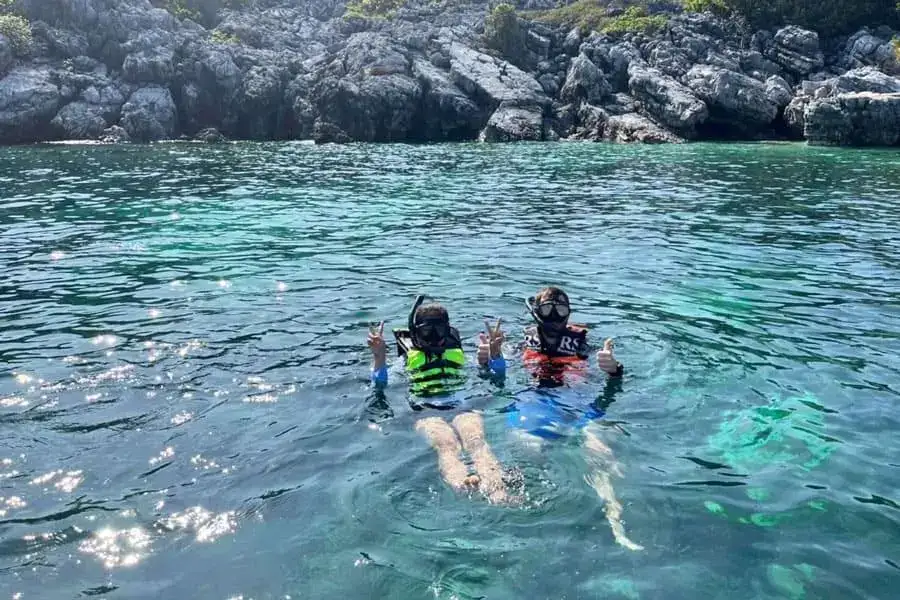
If the reef is the part of the day you care about most, choose a tour that goes to Koh Wao. On the big boat, the beach snorkeling at Wua Ta Lap is relaxed but more of a swim with a mask than a proper reef stop.
What fish and sea life will you see?
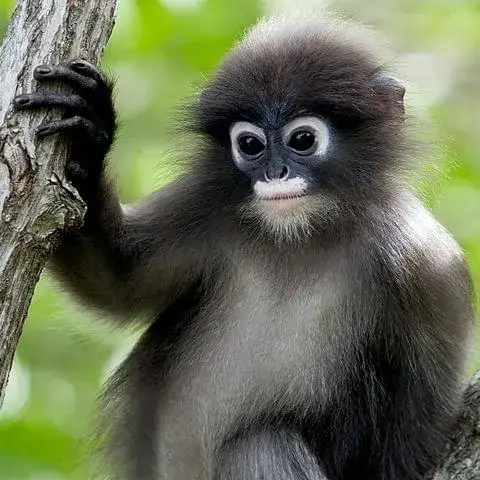
Expect colourful reef fish rather than big animals. Parrotfish, sea urchins and rays are common, and green turtles and the rare hawksbill turtle live in the coral gardens.
Parrotfish are the ones you will notice first: chunky, bright and busy, biting at the coral with their beak-like teeth. You may even hear a faint crunching underwater. Sea urchins sit in the cracks of the rocks, long black spines out, which is one more reason to keep your feet off the bottom.
Rays are a lucky moment, usually seen resting on sandy patches near the reef. Turtles live in the park, but I would not promise one on any given day. If you see one, keep your distance and let it go about its business; chasing it is the fastest way to see it leave.
Above the water, keep an eye on the boat ride too. Bryde's whales are sometimes seen from the boats on the way to the park. It is never guaranteed, but it does happen, and the Ang Thong wildlife guide covers what else lives on and around the islands.
Why is Ang Thong not like the Similan Islands?
Because it is a different kind of sea. Ang Thong has shallow fringing reefs in a sheltered gulf, not deep reefs in open ocean water.
The Similans are on the Andaman side of Thailand, far out in deep, clear water, and they are famous for diving. Ang Thong is a cluster of limestone islands in the Gulf of Thailand, close to Koh Samui, with reefs that grow along the shore of each island in water you can stand in nearby. The two are simply not the same thing.
Here is how I would compare them, in general terms:
| Ang Thong | A deep offshore dive site | |
|---|---|---|
| Depth | Shallow, corals a few meters down | Deeper water and drop-offs |
| Visibility | Good on calm days, cloudy after rain or wind | Usually clearer, open sea |
| Skill needed | None, beginner friendly | Better for confident swimmers and divers |
| Part of the day | One stop among viewpoints, lake and beach | Often the whole point of the trip |
| Best for | Families, first-timers, mixed groups | Keen snorkelers and divers |
My opinion: if your group includes a nervous swimmer, a child or someone who mainly wants the views, Ang Thong is the better day. If you are a keen snorkeler who will judge the trip only by the reef, keep your expectations moderate and enjoy everything else the park offers.
When is the water clearest for snorkeling?
From January to September, when the sea is usually calm. After rain or strong wind the water can turn cloudy, and the park is usually closed from 1 November to 15 December.
October and the second half of December are the rainy season. Tours still run, but visibility on the reef can drop, and on rough days the captain may change the route or skip a stop. The decision belongs to the tour company and the captain, and it is made for safety.
Within a single day, the water also changes. Calm, sunny mornings usually look best, and a swell after a windy night stirs up the sand. If the reef matters a lot to you, plan your trip early in your holiday so you have a second chance if the first day is murky. The main Ang Thong guide has a month-by-month view of the season.
Can weak swimmers snorkel in Ang Thong?
Yes, and many do. Life jackets are handed out on the boat, and the reef is shallow enough for beginners.
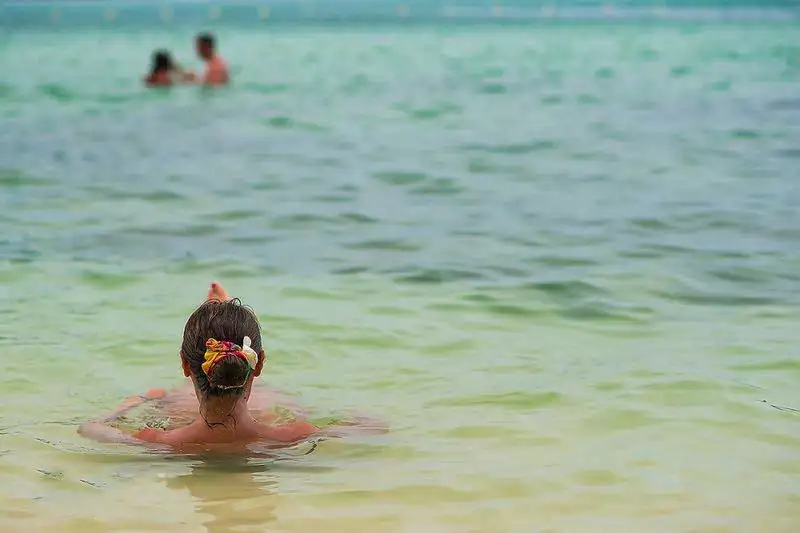
A life jacket turns snorkeling into floating. You lie on the surface, breathe through the snorkel and look down, without needing to swim hard or tread water. On the speedboat tour the guide stays in the water with the group, which makes a real difference to nervous first-timers.
A few tips I give every weak swimmer:
- Wear the life jacket, even if you feel silly. Nobody on the reef cares, and you will relax much faster.
- Practise breathing through the snorkel with your face in the water next to the boat or the beach before you go further.
- Stay close to the guide and the group, and swim along the rocks rather than across open water.
- If the mask fogs or leaks, come back, fix it and try again. A good seal is half the experience.
- Get out when you are tired. There is no prize for staying in longest.
For children, the same rules apply, with an adult close by at all times. The article on Ang Thong with kids goes through ages and which tour suits young families.
What gear is provided and what should you bring?
The boat provides the basics. Snorkeling gear and life jackets are included on every tour, so you can arrive with just swimwear.
On the speedboat tour the masks and snorkels are handed out on the boat before the reef stop, and the price of ฿1890 per adult covers them along with lunch and kayaking. The VIP speedboat, the big boat, the Red Baron and the private charter all include snorkeling gear too.
What is worth bringing yourself:
- Your own mask, if you have one that fits well. A familiar mask beats a shared one.
- Fins, if you like swimming with them. Do not assume they are on board.
- An underwater camera or a waterproof phone pouch. An underwater camera is not included on the speedboat tour.
- A rash guard or a T-shirt for the water. Snorkeling means your back faces the sun the whole time.
- Reef-friendly sunscreen, applied well before you get in.
Which tour should you choose for snorkeling?
For the reef, pick a tour that stops at Koh Wao. The speedboat at ฿1890, the VIP speedboat at ฿3890 and the private charter all snorkel there.
The speedboat suits most people: daily, four stops, the reef first thing in the morning and the guide in the water. The VIP speedboat suits a small group of up to 16 who want the park fee, breakfast and lunch included, and it runs on Tuesday, Thursday and Saturday. The Red Baron suits those who want to slip off a big sailing yacht into a quiet bay, with the park fee included.
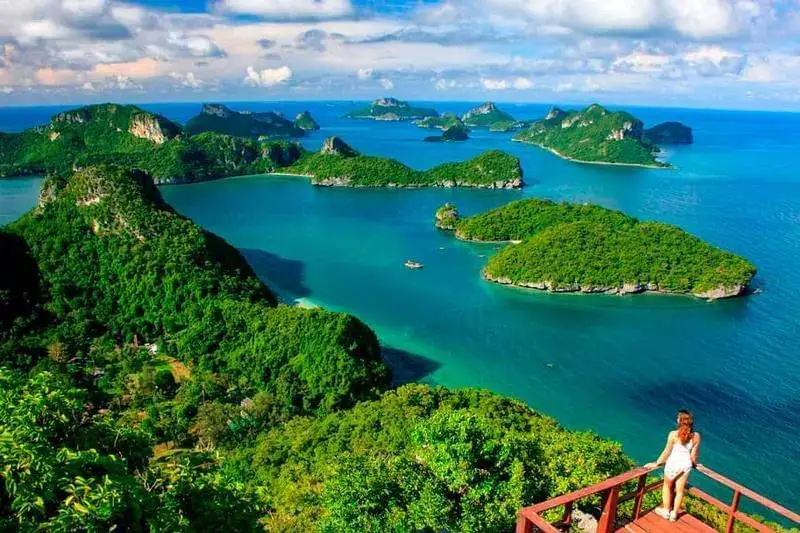
- Days
- Daily
- Time
- 07:40-16:30
- Boat
- Shared speedboat
- Park fee
- ฿300 extra
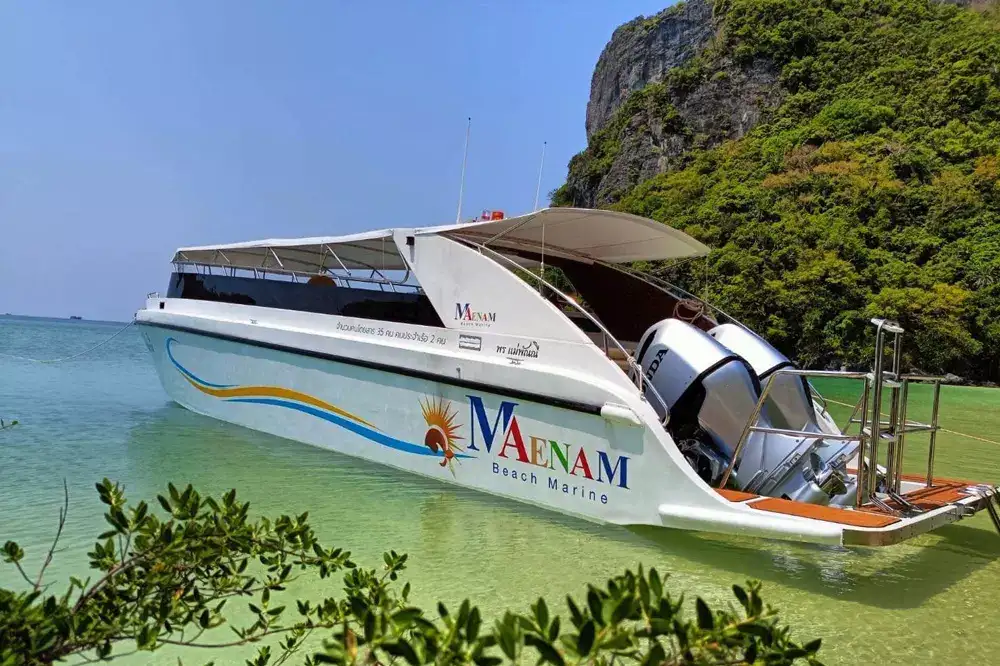
- Days
- Tue, Thu, Sat
- Time
- 07:00-17:30
- Boat
- Small group, max 16
- Park fee
- Included
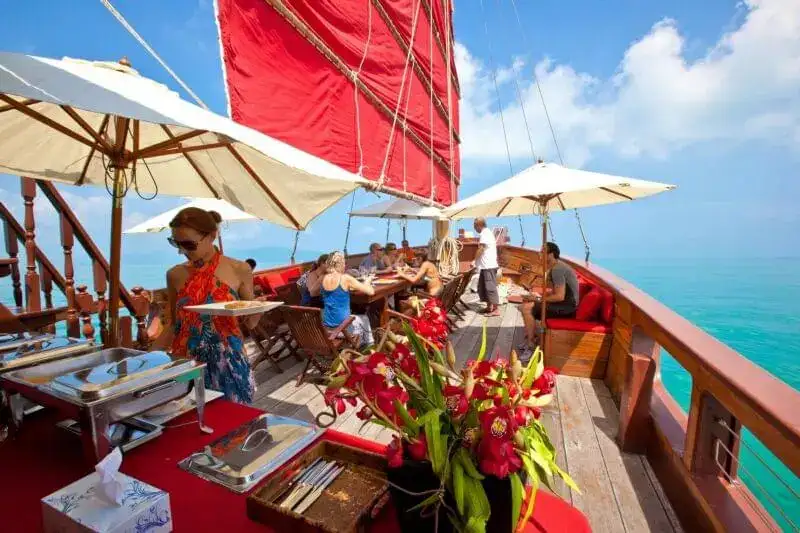
- Days
- Wed, Sat
- Time
- 07:30-19:00
- Boat
- Traditional sailing junk
- Park fee
- Included
Before you go, remember the park fee on tours that do not include it: ฿300 per adult and ฿150 per child aged 3-12 and under 130 cm, paid in cash at the park. And whatever you see down there, please do not stand on the coral or feed the fish. The reefs of the park recover slowly, and the next boat deserves to see them too.
Questions and answers
How deep is the water at the Ang Thong snorkeling spots?
The reef at Koh Wao lies just a few meters below the surface, so you see the corals clearly without diving down. The park as a whole has an average depth of around 10 meters.
Do I need to know how to swim to snorkel in Ang Thong?
It helps, but life jackets are handed out on the boat and the reef is shallow enough for beginners. With a life jacket you float on the surface and simply look down. Stay close to the guide and the group.
Are there turtles in Ang Thong?
Yes, green turtles and the rare hawksbill turtle live in the coral gardens of the park. Sightings are a matter of luck, so do not count on one. If you see a turtle, keep your distance.
Is snorkeling gear included on Ang Thong tours?
Yes. Snorkeling gear and life jackets are included on the speedboat, VIP speedboat, big boat, Red Baron and private tours. Bring your own mask or fins only if you prefer them.
Is Ang Thong good for snorkeling in October?
October is the rainy season. Tours run, but the water can be cloudy and on rough days the captain may change the route or skip a stop. January to September usually gives clearer water.
Can I snorkel in the Emerald Lake?
No. Swimming in Thale Nai on Koh Mae Ko is not allowed, to protect the lake. You see it from the viewing platform at the top of the stairway.
Can children snorkel in Ang Thong?
Yes, the shallow reef suits children well, with a life jacket and an adult close by. Child prices on most tours apply from 3 to 12 years and up to 130 cm.
Facts checked against our tour pages on 28 October 2026. Prices and days can change: your manager confirms them when you book.